Knee Scope (Arthroscopy)
Also known as: Knee Arthroscopy

What is a Knee Scope (Arthroscopy)?
A knee scope, or arthroscopy, is a minimally invasive surgical technique. During the procedure, your surgeon creates a few small poke hole openings in the skin around the knee to insert a thin fiber-optic camera. This allows the medical team to view the interior of your knee joint on a high-resolution monitor in real time. Once the problem area is identified, the surgeon can utilize specialized miniature tools through these same small incisions to repair the damage and alleviate symptoms.
Who Should Have a Knee Scope (Arthroscopy)?
Your orthopedic surgeon may suggest a knee arthroscopy if nonsurgical treatments, such as medication, rest, injections, or physical therapy, have not provided adequate relief. Knee arthroscopy is commonly used to diagnose and treat several conditions that can cause knee pain, swelling, locking, or loss of function, including:
- Meniscus tears
- Loose bodies (floating fragments of cartilage or bone)
- Cartilage injuries
- Synovitis (inflammation of the joint lining)
- Scar tissue causing stiffness or loss of motion
- Certain ligament injuries
- Select fractures involving the knee joint
How Well Does a Knee Scope (Arthroscopy) Work?
The success of the procedure and your overall recovery timeline depend largely on the extent of the damage within the joint and what is being done during the knee scope. While some severe structural damage may not be completely reversible, your surgeon will discuss realistic goals and expectations with you before the operation. Fortunately, many patients are able to return to their full range of unrestricted daily activities following a successful arthroscopy.
What Can I Expect When I Have a Knee Scope (Arthroscopy)?
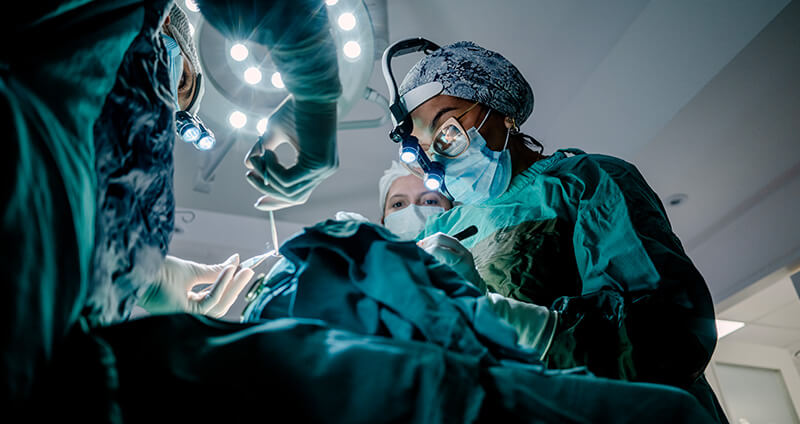
Before the procedure, you may be required to undergo a pre-surgical physical examination to ensure your health history is accounted for in the surgical plan. Upon arriving at the facility, you will meet with your anesthesiologist and surgeon. In most cases, the surgery is performed while you are under general anesthesia (completely asleep) and positioned face up on the operating table.
Following the surgery, a physical therapist will provide guidance on how to move safely and regain mobility. Because this is a minimally invasive procedure, it is typically an outpatient service; you generally won’t stay overnight, though you must arrange for a responsible adult to drive you home. You should also expect to use pain management strategies for approximately one week following the operation.
Most patients find that they are largely recovered within 6 to 8 weeks, unless the procedure involved a ligament repair or ACL reconstruction. There are many specific types of knee scopes. Your physical therapist will monitor your healing and coordinate with your surgeon to determine when you can safely resume specific activities.
Regarding your return to work, those with office-based jobs can typically return within a week. For individuals in more physically demanding professions, the timeline will vary based on the nature of the injury and the specifics of the surgical repair.
Knee Scope Surgeons
-
 Joshua M. Alpert, MD, FAAOSKnee, Shoulder, Sports Medicine
 -
 Michael G. Kogan, MD, FAAOSElbow, Shoulder, Sports Medicine
 -
 Robert F. Matlock, MD, FAAOSSports Medicine, Knee, Shoulder
 -
 Vishal M. Mehta, MD, FAAOSSports Medicine, Knee, Shoulder
 -
 Timothy S. Petsche, MD, FAAOSSports Medicine
 -
 James R. Seeds, MD, FAAOSSports Medicine
 -
 James P. Sostak, MD, FAAOSSports Medicine, Shoulder, Knee & Hip