Knee Cartilage Restoration

What Is Knee Cartilage Restoration Surgery?
Knee cartilage restoration surgery is a specialized treatment used to repair damaged cartilage within the knee joint. Healthy cartilage provides a smooth, protective surface that allows the knee to move without pain or friction. When cartilage becomes damaged due to injury, overuse, or joint abnormalities, patients may experience pain, swelling, stiffness, catching, and reduced knee function.
At Fox Valley Orthopedics, cartilage restoration procedures are focused on treating isolated cartilage defects while preserving the patient’s natural knee joint whenever possible. Depending on the size, location, and severity of the damage, treatment may involve cartilage transplantation, cartilage regeneration techniques, or other biologic restoration procedures.
The goal is to restore healthy joint surfaces, reduce symptoms, and help patients return to an active lifestyle.
Who Should Have Knee Cartilage Restoration Surgery?
Fox Valley Orthopedics may recommend knee cartilage restoration surgery for patients with cartilage injuries that are causing ongoing pain and activity limitations.
You may be a candidate if you have:
- Knee pain caused by cartilage damage
- A focal cartilage defect within the knee
- Swelling or inflammation that persists despite treatment
- Mechanical symptoms such as catching or locking
- Activity limitations due to knee pain
- Sports-related cartilage injuries
- Early joint damage without advanced arthritis
- Failure of conservative treatment
Many patients first attempt nonsurgical treatment options, including:
- Physical therapy
- Activity modification
- Anti-inflammatory medications
- Bracing
- Injection therapy
- Strengthening programs
Before recommending surgery, your orthopedic surgeon will perform a comprehensive evaluation that may include:
- Physical examination
- X-rays
- MRI imaging
- Assessment of knee alignment and stability
- Review of previous treatments
Cartilage restoration procedures are often best suited for active patients with localized cartilage damage rather than widespread, end-stage arthritis.
How Well Does Knee Cartilage Restoration Surgery Work?
Cartilage injuries can be frustrating because cartilage has limited natural healing ability. Left untreated, damaged cartilage may continue to deteriorate, potentially increasing the risk of arthritis and ongoing knee dysfunction.
For appropriately selected patients, cartilage restoration surgery can:
- Reduce knee pain
- Improve joint function
- Restore activity levels
- Improve knee mechanics
- Preserve the natural knee joint
- Delay or prevent knee replacement surgery
Outcomes often depend on factors such as:
- Patient age
- Activity level
- Overall knee health
- Size and location of the defect
- Commitment to postoperative rehabilitation
When combined with a structured recovery program, many patients return to recreational activities and sports following successful cartilage restoration.
What Can I Expect When I Have Knee Cartilage Restoration Surgery?
Prior to surgery, your physician will conduct a thorough evaluation to determine the most appropriate cartilage restoration technique for your specific condition.
Depending on the injury, treatment may include:
- Osteochondral grafting
- Cartilage transplantation
- Osteochondral allograft transplantation
- Microfracture procedures
- Autologous cartilage restoration procedures
- Combined procedures to address alignment or instability
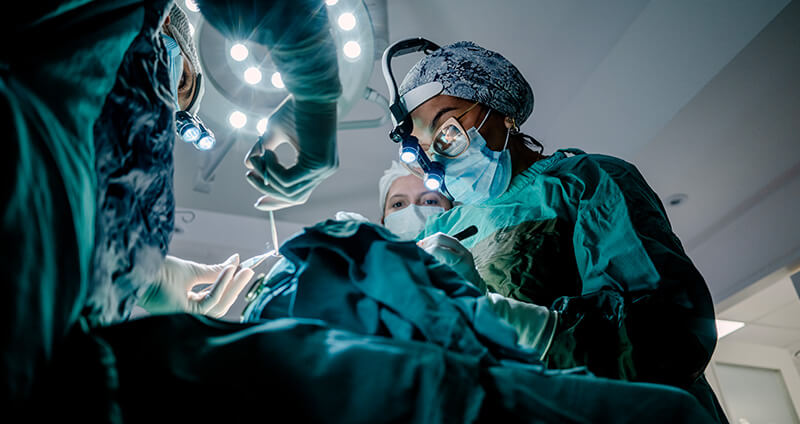
On the day of surgery, you will meet with your surgeon and anesthesia team. The procedure is typically performed using general anesthesia and may be completed arthroscopically or through a small incision depending on the treatment method.
During surgery, your surgeon will:
- Evaluate the damaged cartilage
- Remove unstable or damaged tissue
- Prepare the defect for restoration
- Repair or replace the damaged cartilage surface
- Address any underlying conditions contributing to the cartilage injury
Most procedures are performed on an outpatient basis, allowing patients to return home the same day.
Following surgery, recovery may include:
- Use of crutches
- Temporary activity restrictions
- Physical therapy
- Range-of-motion exercises
- Progressive strengthening
- Gradual return to weight-bearing
- Follow-up imaging and evaluations
Because cartilage healing takes time, rehabilitation is a critical component of the recovery process.
Typical Time Away From Work
Office/Sedentary Roles: Typically 2 to 6 weeks
Moderately Active Roles: Typically 6 to 12 weeks
Strenuous/Physical Roles (lifting, climbing, prolonged standing, manual labor): Typically 3 to 6 months
Recovery timelines vary based on the cartilage restoration procedure performed, the size of the cartilage defect, and individual healing rates. Your Fox Valley Orthopedics specialist will provide a personalized rehabilitation plan and return-to-activity timeline based on your goals and recovery progress.
Knee Cartilage Transplant
-
 Joshua M. Alpert, MD, FAAOSKnee, Shoulder, Sports Medicine
 -
 Michael G. Kogan, MD, FAAOSElbow, Shoulder, Sports Medicine
 -
 Robert F. Matlock, MD, FAAOSSports Medicine, Knee, Shoulder
 -
 Vishal M. Mehta, MD, FAAOSSports Medicine, Knee, Shoulder
 -
 Timothy S. Petsche, MD, FAAOSSports Medicine
 -
 James R. Seeds, MD, FAAOSSports Medicine
 -
 James P. Sostak, MD, FAAOSSports Medicine, Shoulder, Knee & Hip