
Shoulder Scope

During shoulder arthroscopy, the surgeon makes a few small incisions and uses a thin fiber-optic camera to move through the joint and repair the problem. Whenever it’s appropriate, it’s used as an alternative to traditional open surgery.
What Is Shoulder Arthroscopy?
Shoulder arthroscopy, often called a “shoulder scope,” lets a surgeon look inside your shoulder joint through small incisions using a tiny camera. Because the incisions are so small, the surgeon can treat the problem with minimal invasion.
Is a Shoulder Scope Right for Me?
A shoulder scope may be an option if rest, therapy, or medication haven’t relieved your symptoms. Your doctor will weigh three things to decide whether you need a shoulder scope or open shoulder surgery: the condition of your shoulder, your MRI results, and their own clinical experience.
How Successful Is Shoulder Arthroscopy?
Shoulder scopes are generally considered successful for about 85 to 95 percent of patients, but that is a broad range and it truly varies by procedure. The success rates vary based on the severity of the injury and repair as well as individual factors related to the patient. Compared with open shoulder surgery, they leave smaller scars and usually allow a faster recovery.
As with any surgery, there are risks, including infection and reactions to anesthesia. Some patients also develop shoulder stiffness, but physical therapy after surgery usually manages it.
What Happens on the Day of My Shoulder Scope?
You may need a pre-surgical physical so your care team can plan around your health history. On the day of your procedure, you’ll meet with your surgeon and anesthesiologist. The procedure is done under general anesthesia, and you most likely won’t need to stay overnight. You will need someone to drive you home.
Will I Wear a Sling Afterward?
Yes, most patients wear a sling for two to six weeks after surgery to keep your shoulder stable, depending on the procedure you had. Your care team will explain how to care for your shoulder and what comes next.
How Will I Rebuild Strength in My Shoulder?
Physical therapy should begin soon after your shoulder scope. It will help you regain strength, stability, and flexibility.
How Much Work Will I Miss?
Recovery time away from work after shoulder arthroscopy depends on the kind of work you do. Most people with office jobs need one to two weeks off.
Call today to make your appointment: (855) FVORTHO | (855) 386-7846.
Shoulder Scope Specialists
-
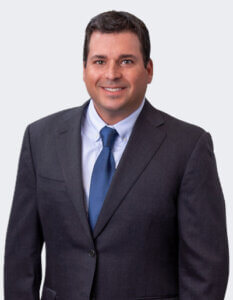 Joshua M. Alpert, MD, FAAOSKnee, Shoulder, Sports Medicine
-
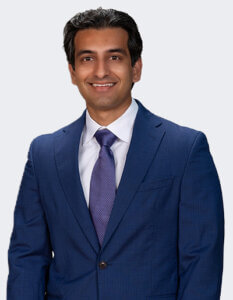 Rishi Chatterji, MDShoulder & Elbow
-
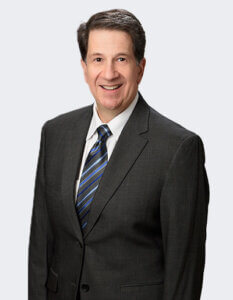 Michael G. Kogan, MD, FAAOSElbow, Shoulder, Sports Medicine
-
 Robert F. Matlock, MD, FAAOSSports Medicine, Knee, Shoulder
-
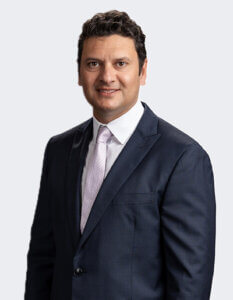 Vishal M. Mehta, MD, FAAOSSports Medicine, Knee, Shoulder
-
 Timothy S. Petsche, MD, FAAOSSports Medicine
-
 James R. Seeds, MD, FAAOSSports Medicine
-
 James P. Sostak, MD, FAAOSSports Medicine, Shoulder, Knee & Hip