Hip Arthroscopy

What is Hip Arthroscopy?
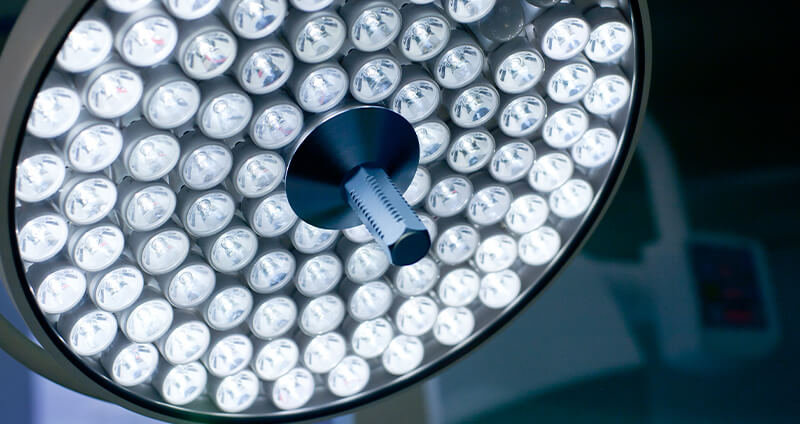
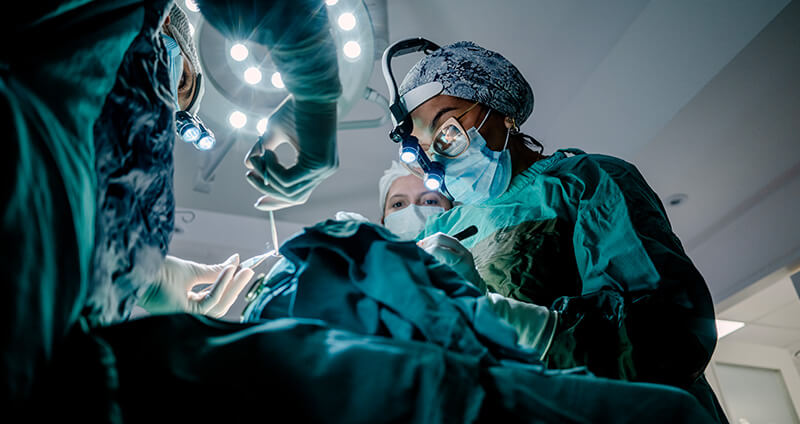
A hip arthroscopy is a minimally invasive surgical procedure that utilizes an arthroscope (camera) to minimize scarring and incision size. Rather than performing traditional open surgery, surgeons use this specialized camera and lighting system to access the joint through tiny openings. This allows the surgical team to precisely repair critical components of the hip joint, including the ball, socket, cartilage, and labrum.
Who Should Have a Hip Arthroscopy?
This procedure is typically recommended when there is clear evidence of joint (cartilage or bony) damage and conservative treatments—such as medication, injections, physical therapy, or rest—have failed to alleviate pain, catching sensations, or limited mobility. While some exceptions exist, this surgery is most common for patients under age 50; older adults are generally better candidates for a hip replacement. However, in the absence of significant osteoarthritis, hip arthroscopy can be an option for older patients as well.
Hip arthroscopy is considered a viable treatment option for several conditions, including:
- Femoroacetabular impingement (FAI) or hip impingement
- Hip labral tears
- Instability of the hip
- Loose fragments of cartilage or bone
- Snapping hip syndrome
How Well Does Hip Arthroscopy Work?
The vast majority of patients experience very positive results following this surgery. Over the last decade, advancements in repair techniques have significantly improved patient outcomes. Based on clinical research and our own practice experience, we estimate that approximately 90% of patients see at least some notable improvement, with 80% reporting significant progress and high satisfaction levels. A small minority (10% or less) may face complications, require further surgery, or continue to have symptoms.
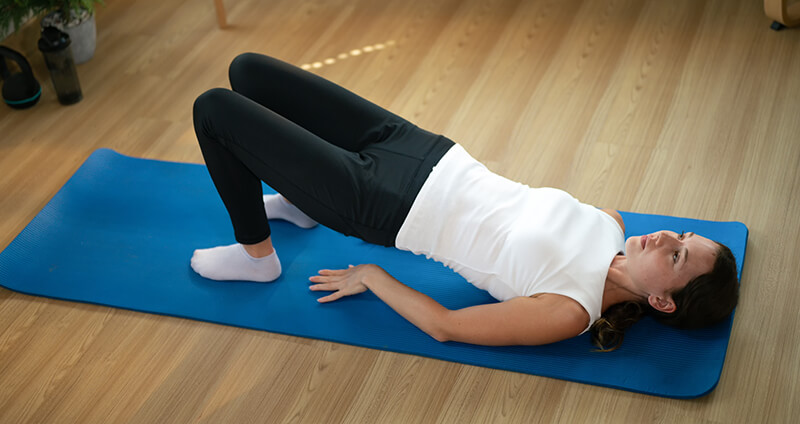
Because recovery can sometimes feel gradual, staying committed to a prescribed home exercise plan and professional physical therapy is essential for returning to peak hip function.
At Fox Valley Orthopedics, we tailor the surgical approach to each individual patient based on our intraoperative findings to ensure the best possible result. These customized options may include:
- Femoroplasty: To address cam impingement
- Rim trimming: To treat pincer impingement
- Labral repair: For patients who have sufficient tissue bulk and quality of the labrum
- Labral augmentation: Using donated tissue for those with good quality but insufficient labral tissue volume
- Labral reconstruction: Utilizing a graft for cases where labral tissue is severely lacking or irreparable
What Can I Expect When I Have a Hip Arthroscopy?
Your journey may begin with a pre-surgical physical to ensure your health history is fully accounted for in the surgical plan. Upon arrival at the facility, you will meet with your anesthesiologist and surgeon. Most patients receive a regional nerve block and general anesthesia and are positioned face-up; a specialized device is used to stabilize the hip and leg for optimal joint access.
The procedure itself typically lasts about two hours, and most patients are cleared to leave the facility one to two hours after the operation is complete. Recovery room staff will provide post-op guidance, including how to use a hip brace and crutches. You will need a responsible adult to drive you home and stay with you for the first night.
Your journey may begin with a pre-surgical physical to ensure your health history is fully accounted for in the surgical plan. Upon arrival at the facility, you will meet with your anesthesiologist and surgeon. Most patients receive a regional nerve block and general anesthesia. Patients are positioned face-up; a specialized device is used to stabilize the hip and leg for optimal joint access.
The procedure itself typically lasts around two hours, and most patients are cleared to leave the facility one to two hours after the operation is complete. The recovery room staff will provide guidance on the safest ways to move post-surgery, including how to use crutches. You will need a responsible adult to drive you home and stay with you for the first night.
For a minimum of two weeks, crutches will be necessary to partially weight bear on the operative side. Additionally, you should avoid deep squatting (such as picking up children) until cleared to do so by the surgeon. To support your recovery formal physical therapy begins the first week post op and will provide a specific regimen of at-home exercises as well. You may resume driving once you are no longer taking narcotic medications, can sit comfortably in the car, and—if applicable—can safely operate the vehicle with your surgical leg.
Follow-up appointments typically occur the first week post op and then every three to four weeks for the first twelve weeks post surgery. Most patients can return to office-based work within one to two weeks. For school aged patients most can return to school within one week.
While full recovery generally takes four to six months depending on the specific case, some minor symptoms may persist for up to a year or more. If you wish to accelerate your recovery, strict adherence to clinical guidelines and consistent effort during physical therapy are key factors.
In summary: while you can expect to return to basic daily activities relatively quickly, returning to sports or strenuous physical activity requires more time and dedicated effort.
Call today to make your appointment: (855) FVORTHO | (855) 386-7846.
Hip Arthroscopy Surgeons
-
 Kenneth S. Chakour, MD, FAAOS, FAAHKSHip & Knee Replacement
 -
 David R. Morawski, MD, FAAOSHip & Knee Replacement
 -
 Nicholas R. Pagani, MDHip & Knee Replacement
 -
 James P. Sostak, MD, FAAOSSports Medicine, Shoulder, Knee & Hip
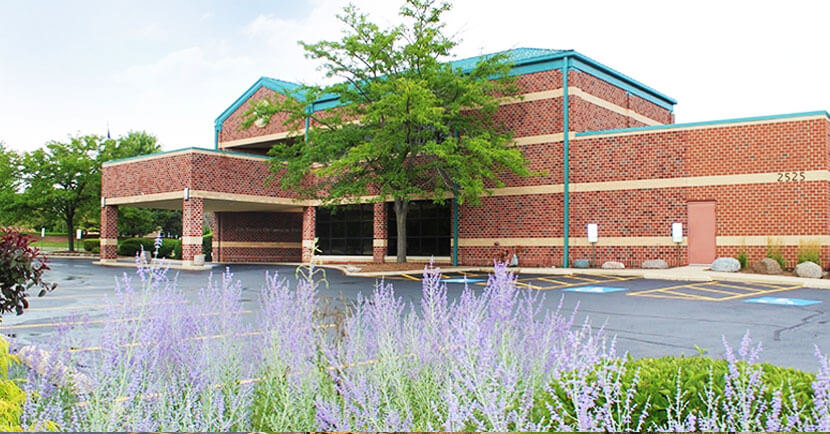
Hip Arthroscopy Performed at
Related Treatments
- ACL Reconstruction
- Achilles Repair
- Bankart Repair
- Hamstring Tendon Repair
- Knee Cartilage Restoration
- Knee Scope (Arthroscopy)
- Lemaire Procedure
- Patellar Tendon Repair
- Platelet-Rich Plasma (PRP)
- Quadriceps Tendon Repair
- Rotator Cuff Repair
- Shoulder Scope
- Triceps Tendon Repair
- Latarjet Shoulder Surgery