ACL Reconstruction
What is ACL Reconstruction Surgery?
During an anterior cruciate ligament (ACL) reconstruction, a surgeon replaces the torn ACL by attaching a graft — a piece of replacement tissue — to the bone and surrounding knee structures. This process aims to restore the stability and function of the knee joint.
Depending on your specific needs and health history, there are four primary types of grafts available:
- Allograft: Tissue taken from a donor.
- Hamstring graft: Tissue harvested from your own hamstring tendon.
- Patella tendon graft: Tissue taken from the tendon connecting the kneecap to the shinbone.
- Synthetic graft: Man-made materials designed to mimic the ligament.
- Quadriceps tendon autograft: Tissue taken from the tendon connecting the thigh muscle to the knee cap
Your surgical team will review these options with you to determine which graft provides the best potential for your specific activity level and goals.
Who is a Candidate for ACL Reconstruction Surgery?
An ACL tear typically occurs when the knee is forced into an unnatural position—such as twisting or suddenly straightening—while the leg is bearing weight. It is important to note that many of these injuries are “non-contact” tears, meaning they happen without another person colliding with you.
Common movements that lead to an ACL injury include:
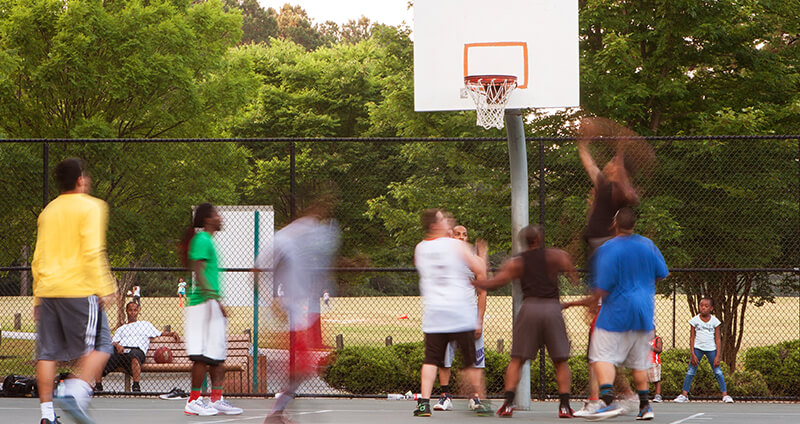
- Sudden changes in direction (pivoting)
- Abruptly stopping while in motion
- Decelerating quickly during a run
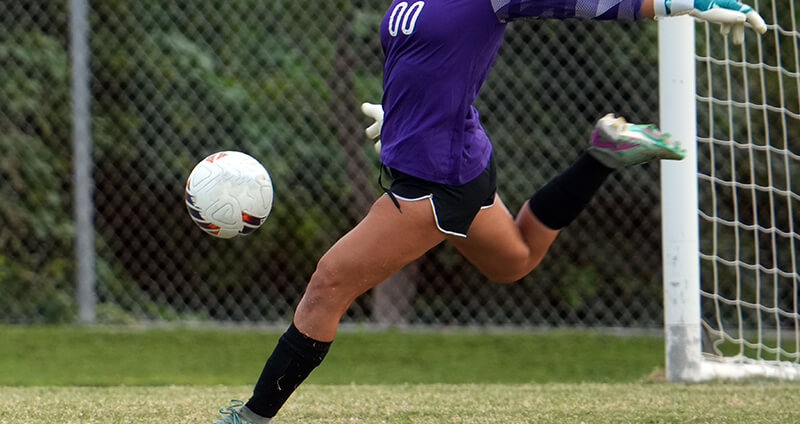
- Landing poorly after a jump
- Direct impact or collisions, such as those seen in football tackles
While many people assume that surgery is the only option following an ACL tear, this isn’t always the case. For a small group of patients, a conservative treatment plan focusing on intensive physical therapy may be appropriate. However, for most active individuals, surgery is necessary to regain a stable, high-performing knee joint.
How Effective is ACL Reconstruction Surgery?
ACL reconstruction is highly effective at stabilizing the knee and reducing the likelihood of secondary injuries, such as meniscus tears. Without surgical repair, a compromised ACL leaves the knee vulnerable to further instability and damage to other areas of the knee.
As with any open surgical procedure, there are standard risks involved, including anesthesia reactions, infection, and blood clotting. Your surgeon will discuss these possibilities with you in detail. While uncommon, some patients may experience a loss of range of motion following the procedure.
Regarding the return to full strength, outcomes vary by individual. In professional sports, for every athlete who returns to peak performance (like Adrian Peterson), there are others who struggle to reach their previous level (like Marcus Lattimore). Research indicates that approximately 70% of athletes successfully return to their pre-injury level of play after about a year of recovery.
At Fox Valley Orthopedics, we strive for higher success rates by providing the ideal environment for recovery. This includes pairing patients with highly skilled sports medicine surgeons in high-volume settings who are proficient in various ACL reconstruction techniques. Success also depends heavily on the patient; the best outcomes are seen in motivated individuals who approach their physical therapy with discipline and a positive mental attitude during the rehabilitation process.
What Should I Expect During and After ACL Reconstruction?
Depending on the state of your knee, some patients may begin “pre-hab” (physical therapy before surgery) to reduce swelling and improve range of motion before the operation.
You will likely undergo a pre-surgical physical examination to ensure your health history is accounted for in the surgical plan. On the day of the procedure, you will meet with your surgeon and anesthesiologist. The surgery is typically performed under general anesthesia while you are lying face up. The process takes several hours, and you will need a designated driver to take you home afterward.
Rehabilitation is a critical component of the journey. Most patients begin physical therapy just a few days after the operation. The full recovery timeline—including structured therapy and strength training—generally spans between six and 12 months.
The timeframe for returning to daily activities varies:
- School or sedentary office work: Typically within one week.
- Physically demanding jobs/heavy labor: Usually requires four to six months of healing.
- Competitive sports: often takes six to twelve months to return to play.
Because every patient heals differently, your provider will monitor your progress and adjust your recovery milestones accordingly.
Call today to make your appointment: (855) FVORTHO | (855) 386-7846.
ACL Reconstruction Surgeons
-
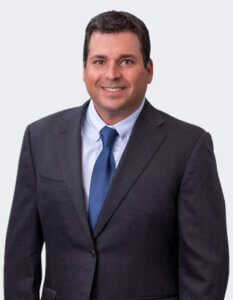 Joshua M. Alpert, MD, FAAOSKnee, Shoulder, Sports Medicine
 -
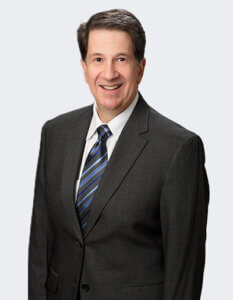 Michael G. Kogan, MD, FAAOSElbow, Shoulder, Sports Medicine
 -
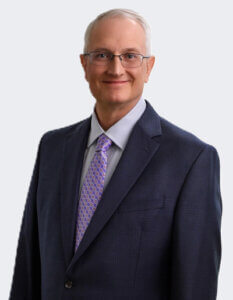 Robert F. Matlock, MD, FAAOSSports Medicine, Knee, Shoulder
 -
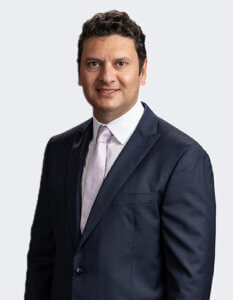 Vishal M. Mehta, MD, FAAOSSports Medicine, Knee, Shoulder
 -
 Timothy S. Petsche, MD, FAAOSSports Medicine
 -
 James R. Seeds, MD, FAAOSSports Medicine
 -
 James P. Sostak, MD, FAAOSSports Medicine, Shoulder, Knee & Hip