
Shoulder Reconstruction

Shoulder reconstruction surgery stabilizes the shoulder joint and helps prevent it from dislocating again. It also aims to restore as much strength and range of motion as possible.ensures a more natural fit, smoother motion, and a quicker return to the activities you love.
What Is Shoulder Reconstruction?
During shoulder reconstruction, the surgeon repairs ligaments that are torn or stretched by reattaching them to the shoulder socket. Small anchors hold the tissue securely against the bone.
The most common type of shoulder reconstruction is a SLAP repair. It fixes a torn labrum, the rim of fibrocartilage that lines the edge of the shoulder socket.
Am I a Candidate for Shoulder Reconstruction?
Shoulder reconstruction may be a good option if you’ve injured your shoulder ligaments or have chronic instability from repeated dislocations. Rest and medication are usually tried first, but torn ligaments can only heal so much on their own.
How Successful Is Shoulder Reconstruction?
Complications after shoulder reconstruction are rare and generally affect fewer than 2 percent of patients. Possible complications include:
- Infection
- Stiffness or limited movement
- Injury to nerves or blood vessels
- Failure of the procedure
- Side effects of general anesthesia
As with any surgery, the experience of the surgeon, going to a specialized orthopedic facility with a focused operative team, and the patient’s focus on recovery will impact the outcome.
What Happens on the Day of Surgery?
You may need a pre-surgical physical so your care team can plan around your health history. When you arrive at the hospital, you’ll meet with your surgeon and anesthesiologist. The procedure is usually done under general anesthesia, meaning you’ll be fully asleep.
What Is Recovery Like?
Recovery from shoulder reconstruction usually isn’t very painful, though you’ll likely be prescribed some pain medication. Most people return to their normal activities once they no longer need pain medication, typically after one to two weeks.
You’ll wear a sling for four to six weeks. After that, you may begin physical therapy to rebuild strength and range of motion. Full recovery takes about four to six months, depending on the person and the surgical techniques used.
Call today to make your appointment: (855) FVORTHO | (855) 386-7846.
Shoulder Reconstruction Specialists
-
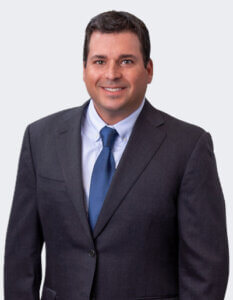 Joshua M. Alpert, MD, FAAOSKnee, Shoulder, Sports Medicine
-
 Rishi Chatterji, MDShoulder & Elbow
-
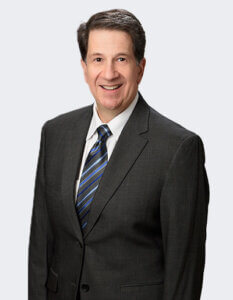 Michael G. Kogan, MD, FAAOSElbow, Shoulder, Sports Medicine
-
 Robert F. Matlock, MD, FAAOSSports Medicine, Knee, Shoulder
-
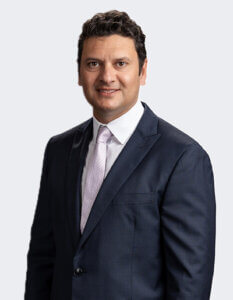 Vishal M. Mehta, MD, FAAOSSports Medicine, Knee, Shoulder
-
 Timothy S. Petsche, MD, FAAOSSports Medicine
-
 James R. Seeds, MD, FAAOSSports Medicine
-
 James P. Sostak, MD, FAAOSSports Medicine, Shoulder, Knee & Hip