Robotic-Assisted Knee Replacement

What Is a Robotic-Assisted Knee Replacement?
Robotic-assisted knee replacement is an advanced surgical procedure used to replace damaged portions of the knee joint affected by arthritis or other degenerative conditions. Using specialized imaging and robotic technology, the surgeon creates a customized surgical plan tailored to each patient’s unique anatomy.
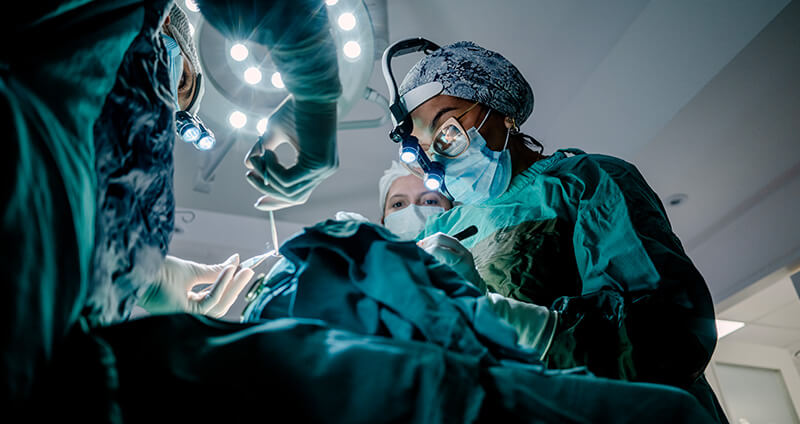
During the procedure, the robotic system assists the surgeon in precisely removing damaged bone and cartilage while helping ensure accurate implant placement. The surgeon remains in complete control throughout the operation, using the robotic technology as a tool to enhance precision and consistency.
Robotic-assisted technology may be used for:
- Total knee replacement
- Partial knee replacement
- Complex knee reconstruction procedures
- Certain revision knee replacement surgeries
The goal is to relieve pain, improve mobility, and restore knee function.
Who Should Have a Robotic-Assisted Knee Replacement?
Fox Valley Orthopedics may recommend robotic-assisted knee replacement for patients with advanced knee arthritis or joint damage that has not responded to conservative treatment.
You may be a candidate if you experience:
- Chronic knee pain
- Knee stiffness
- Difficulty walking
- Pain during daily activities
- Loss of knee function
- Reduced quality of life
- Progressive knee arthritis
- Failure of nonsurgical treatment options
Most patients pursue conservative treatment before considering surgery, including:
- Physical therapy
- Activity modification
- Anti-inflammatory medications
- Corticosteroid injections
- Hyaluronic acid injections
- Weight management
- Bracing
Before recommending surgery, your orthopedic surgeon will perform a comprehensive evaluation, including imaging studies, to determine whether robotic-assisted knee replacement is the best treatment option for your condition and lifestyle goals.
How Well Does a Robotic-Assisted Knee Replacement Work?
Severe knee arthritis can make walking, exercising, climbing stairs, and performing everyday activities increasingly difficult. When nonsurgical treatments are no longer effective, robotic-assisted knee replacement can provide significant pain relief and improved function.
Many patients experience:
- Reduced knee pain
- Improved mobility
- Better joint function
- Enhanced quality of life
- Increased activity levels
- Greater confidence during daily movement
Robotic-assisted technology helps surgeons create individualized surgical plans and place implants with a high degree of accuracy. While technology assists throughout the procedure, successful outcomes still depend on patient health, rehabilitation participation, and adherence to postoperative recommendations.
What Can I Expect When I Have a Robotic-Assisted Knee Replacement?
Prior to surgery, you will undergo a comprehensive evaluation that may include X-rays, advanced imaging studies, laboratory testing, and a review of your medical history. These evaluations help your surgeon develop a personalized treatment plan.
On the day of surgery, you will meet with your surgeon and anesthesia team. The procedure is typically performed using either general anesthesia or regional anesthesia.
During surgery:
- Advanced imaging is used to create a customized surgical plan
- Damaged cartilage and bone are removed
- The robotic-assisted system helps guide bone preparation
- Knee implants are positioned according to the surgical plan
- Joint stability and alignment are evaluated before completing the procedure
Depending on your health and recovery progress, you may return home the same day or stay overnight for observation.
Following surgery, recovery often includes:
- Physical therapy
- Walking assistance devices initially
- Strengthening exercises
- Range-of-motion exercises
- Swelling management
- Progressive return to daily activities
- Follow-up appointments to monitor healing
Early movement and rehabilitation are important components of maximizing outcomes after knee replacement surgery.
Typical Time Away From Work
Office/Sedentary Roles: Typically 2 to 6 weeks
Moderately Active Roles: Typically 6 to 10 weeks
Strenuous/Physical Roles (standing, lifting, climbing, manual labor): Typically 10 to 12+ weeks
Recovery timelines vary based on the severity of arthritis, overall health, procedure complexity, and individual rehabilitation progress. Your Fox Valley Orthopedics surgeon will provide specific recommendations based on your recovery goals and occupational demands.
Robotic Assisted Knee Replacement Surgeons
-
 Kenneth S. Chakour, MD, FAAOS, FAAHKSHip & Knee Replacement
 -
 Kaleb Church, PA-CTotal Joint Replacement
 -
 Julia Gainski, PA-CTotal Joint Replacement
 -
 Alexandra Millet, PA-CJoint Replacement
 -
 David R. Morawski, MD, FAAOSHip & Knee Replacement
 -
 Robert Taylor, PA-CJoint Replacement