
Tennis Elbow
Also known as Lateral Epicondylitis
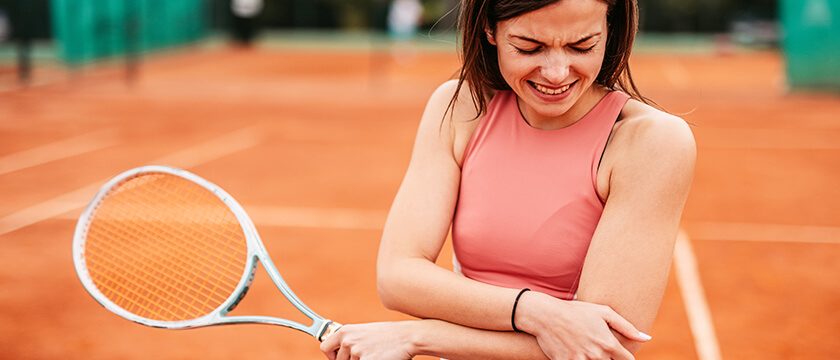
Tennis elbow, medically known as lateral epicondylitis, is a painful condition affecting the tendons that connect the forearm muscles to the outside of the elbow. The condition develops when repetitive stress causes microscopic tears within the tendon, leading to inflammation, degeneration, and pain.
Although tennis players commonly experience this injury, most people diagnosed with tennis elbow do not play tennis. The condition frequently affects workers, tradespeople, athletes, and individuals who repeatedly use their hands and wrists throughout the day. At Fox Valley Orthopedics, we provide comprehensive evaluation and treatment options designed to relieve pain and restore strength and function.
What Is Tennis Elbow?
The elbow joint is supported by tendons that connect the forearm muscles to the bones of the arm. Tennis elbow occurs when the tendons attached to the lateral epicondyle, the bony prominence on the outside of the elbow, become irritated due to repetitive use.
Over time, repeated strain can create tiny tears within the tendon tissue. As these small injuries accumulate, patients may experience pain, weakness, and difficulty performing routine tasks.
Tennis elbow typically affects the dominant arm but can occur in either elbow.
What Causes Tennis Elbow?
Tennis elbow most often develops as a result of repetitive motions involving the wrist and forearm.
Common causes include:
- Repetitive gripping activities
- Frequent lifting or carrying
- Repetitive wrist extension movements
- Racquet sports such as tennis or pickleball
- Painting, carpentry, or plumbing work
- Computer and mouse use
- Repetitive tool operation
- Assembly line work
- Certain weightlifting exercises
While the condition is commonly associated with sports, occupational activities are often the primary source of symptoms.
What Are Tennis Elbow Symptoms?
Symptoms typically develop gradually and worsen over time without treatment.
Common signs and symptoms include:
- Pain on the outside of the elbow
- Burning or aching sensations around the elbow joint
- Weak grip strength
- Pain when shaking hands
- Discomfort when lifting objects
- Pain when turning a doorknob
- Difficulty opening jars or containers
- Forearm weakness
- Increased pain during repetitive activities
Many patients initially notice mild discomfort that progresses into persistent pain during both activity and rest.
How Is Tennis Elbow Diagnosed?
Diagnosing tennis elbow begins with a thorough examination by an orthopedic specialist.
Diagnostic evaluation may include:
- Review of symptoms and medical history
- Physical examination
- Assessment of grip strength
- Range-of-motion testing
- Evaluation of wrist and forearm function
- X-rays to rule out arthritis or other conditions
- MRI imaging for persistent or complex cases
- Ultrasound evaluation when tendon damage is suspected
A comprehensive evaluation helps ensure the correct diagnosis and identifies other conditions that may cause similar symptoms.
How Is Tennis Elbow Treated?
Treatment focuses on reducing pain, promoting tendon healing, and restoring strength and function.
Most patients experience significant improvement with conservative treatment.
Nonsurgical Treatment for Tennis Elbow
Nonsurgical treatment options may include:
- Activity modification
- Physical therapy
- Stretching and strengthening exercises
- Anti-inflammatory medications
- Bracing or counterforce straps
- Ice therapy
- Ergonomic modifications
- Corticosteroid injections
- Platelet-rich plasma (PRP) injections
Physical therapy is often highly effective and focuses on improving tendon health, flexibility, and forearm strength while reducing stress on the injured tissue.
Tennis Elbow Surgery
Surgery may be recommended when symptoms persist despite months of conservative treatment.
Surgical options may include:
- Removal of damaged tendon tissue
- Repair of the affected tendon
- Release of tension within the tendon attachment
- Arthroscopic or open surgical techniques
The goal of surgery is to eliminate damaged tissue, reduce pain, and restore normal elbow function.
What Does Tennis Elbow Recovery Look Like?
Recovery varies depending on symptom severity and the treatment selected.
Many patients improve within several weeks to a few months through conservative care. More persistent cases may require longer rehabilitation and ongoing strengthening exercises.
For patients who undergo surgery, recovery often includes:
- Temporary activity restrictions
- Physical therapy
- Progressive strengthening programs
- Gradual return to sports and work activities
Following your treatment plan closely can help improve outcomes and reduce the likelihood of recurrence.
Can Tennis Elbow Be Prevented?
While not every case can be prevented, certain strategies may help reduce the risk of developing tennis elbow.
Prevention strategies include:
- Using proper sports techniques
- Strengthening forearm and wrist muscles
- Taking regular breaks during repetitive tasks
- Improving workplace ergonomics
- Using properly fitted athletic equipment
- Gradually increasing activity levels
- Stretching before and after exercise
Addressing symptoms early can help prevent small tendon injuries from becoming chronic problems.
Get Expert Tennis Elbow Care at Fox Valley Orthopedics
Persistent elbow pain can make it difficult to work, participate in sports, and perform everyday tasks. At Fox Valley Orthopedics, our experienced specialists provide comprehensive care for tennis elbow, from advanced diagnostics and physical therapy recommendations to injection therapies and surgical treatment when necessary.
Whether your treatment involves activity modification, physical therapy, bracing, injections, or surgery, our team is committed to helping you regain comfort, strength, and confidence. If you’re experiencing symptoms of tennis elbow, schedule an appointment with Fox Valley Orthopedics today by calling (855) 386-7846 to discuss your treatment options and take the first step toward lasting relief.
Tennis Elbow Specialists
-
 Rishi Chatterji, MDShoulder & Elbow
 -
 Michael G. Kogan, MD, FAAOSElbow, Shoulder, Sports Medicine
 -
 Robert F. Matlock, MD, FAAOSSports Medicine, Knee, Shoulder
 -
 Vishal M. Mehta, MD, FAAOSSports Medicine, Knee, Shoulder
 -
 Shobhit V. Minhas, MD, FAAOSHand & Wrist
 -
 James R. Seeds, MD, FAAOSSports Medicine
 -
 James P. Sostak, MD, FAAOSSports Medicine, Shoulder, Knee & Hip