
Osgood-Schlatter Disease
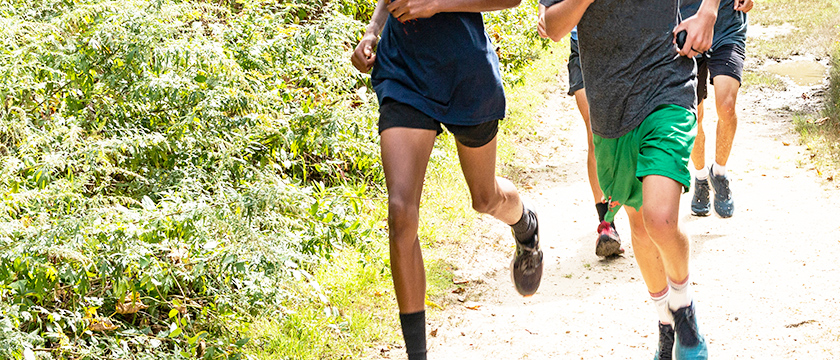
When children experience rapid growth spurts, the pressure placed on the tibial tubercle can cause inflammation, pain, and a visible bump on the shin.
The tibial tubercle is a small bony protrusion located at the top of the shinbone. It serves as the attachment point for the patellar tendon, which links the kneecap to the tibia. During physical activity, the quadriceps muscles in the thigh pull on this tendon, creating tension at the attachment site.
What is Osgood-Schlatter Disease?
Osgood-Schlatter disease is a frequent cause of knee pain among children and adolescents who are still growing. This condition occurs when the area just below the kneecap—specifically where the patellar tendon connects to the tibia—becomes inflamed and irritated. These issues typically arise during growth spurts, a time when tendons, muscles, and bones are developing rapidly.
While this condition is most prevalent in teenagers participating in sports that require frequent jumping, running, or repetitive knee flexion, it can also affect adolescents who are less physically active.
What Are the Signs and Symptoms of Osgood-Schlatter Disease?
Children and teens dealing with Osgood-Schlatter disease typically report the following symptoms:
- Tenderness and pain located at the top of the shinbone (the tibial tubercle)
- Visible swelling around the tibial tubercle area
- A feeling of tightness in the hamstrings or quadriceps
- Increased discomfort during activities such as kneeling, jumping, or running
- In some cases, both knees may be affected, although one is often more symptomatic than the other
How is Osgood-Schlatter Disease Treated?
In most instances, Osgood-Schlatter disease resolves on its own once the growth plates have closed (typically around age 14 for girls and 16 for boys). The primary objective of treatment is to manage inflammation and reduce pain so that the patient can continue participating in sports safely.
Nonsurgical Treatment
- Activity Modification and Rest: Reducing or avoiding activities that trigger or worsen the pain.
- Ice Therapy: Using cold packs for 15–20 minutes several times a day, particularly following physical activity.
- NSAIDs: Utilizing over-the-counter anti-inflammatory medications, such as naproxen or ibuprofen, to manage swelling and pain.
- Stretching Routines: Performing targeted stretches for the hamstrings and quadriceps 3–4 times per day.
- Patellar Tendon Straps: Wearing a specialized band just below the kneecap to decrease the amount of stress placed on the tibial tubercle.
Physical Therapy
- Targeted flexibility and strengthening exercises designed for the thigh muscles.
- A structured, gradual return to sports and physical activities as pain permits.
Treat Osgood-Schlatter Disease at Fox Valley Orthopedics
Is your child struggling with knee or shin pain in Illinois? At Fox Valley Orthopedics, we are dedicated to ensuring our patients feel supported, safe, and confident throughout their recovery process. By implementing a proper management plan, we can help your child reduce their pain and return to the activities they love.
Call today to make your appointment: (855) FVORTHO | (855) 386-7846.
Osgood-Schlatter Disease Specialists
-
 Vishal M. Mehta, MD, FAAOSSports Medicine, Knee, Shoulder