
Hip Arthritis
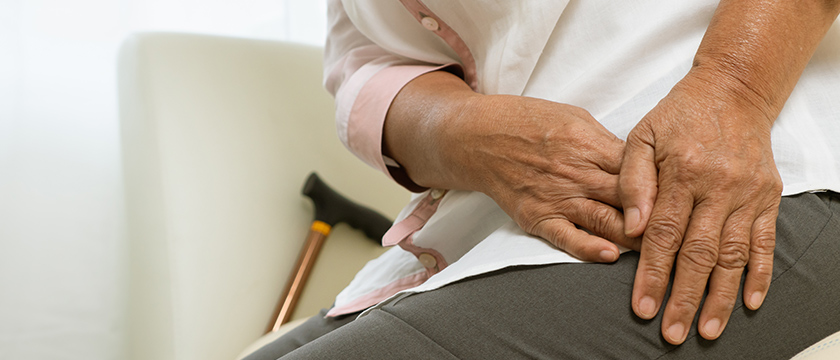
Hip arthritis is a degenerative disease that often leads to stiffness, pain, and a decreased ability to move one of the body’s primary weight-bearing joints. While this condition cannot be cured entirely, early detection and a proactive management plan can significantly alleviate symptoms, helping you maintain your independence and an active lifestyle.
What is Hip Arthritis?
Commonly referred to as osteoarthritis, hip arthritis is a “wear-and-tear” condition. It occurs when the smooth cartilage that acts as a cushion between the bones in the hip joint gradually erodes. As this protective layer thins, the gap between the bones narrows, leading to friction. This bone-on-bone contact typically results in swelling, stiffness, and pain that intensifies over time.
To understand how arthritis affects the body, it helps to look at the anatomy of the hip, which is a ball-and-socket joint consisting of:
- The Femoral Head (Ball): The rounded top portion of the thighbone.
- The Acetabulum (Socket): The cup-shaped opening in the pelvis.
- Articular Cartilage: A smooth, slippery coating that ensures fluid movement.
- Synovium: The joint lining responsible for producing lubricating fluid.
When arthritis damages these components, simple movements can become difficult or painful.
What Causes Hip Arthritis?
While there is rarely a single definitive cause, several risk factors can increase the likelihood of developing hip arthritis:
- Being age 50 or older
- A genetic predisposition or family history of joint issues
- Previous injuries to the hip joint
- Excess body weight or obesity, which increases stress on the joint
- Congenital hip abnormalities, such as developmental dysplasia
It is important to note that hip arthritis can develop even in individuals who do not have these known risk factors.
What are the Symptoms of Hip Arthritis?
The onset of symptoms is usually gradual, often worsening over several months or years. Common indicators include:
- Pain located deep in the groin or thigh (which may travel toward the knee or buttocks)
- Stiffness experienced in the morning or after periods of inactivity
- Increased discomfort during physical activity, such as climbing stairs, standing, or walking
- A sensation of “catching,” locking, grinding, or sticking within the joint
- A noticeable reduction in the hip’s range of motion
- Developing a limp or having difficulty supporting your own weight
- Pain that seems to fluctuate based on cold or rainy weather
If you find that these symptoms are hindering your daily routine—such as making it hard to get out of a chair or tie your shoes—it is time to consult a specialist.
How is Hip Arthritis Treated?
While the damage caused by hip arthritis cannot be reversed, many patients find significant relief through a combination of conservative, non-surgical therapies. The specialists at Fox Valley Orthopedics will work with you to develop a personalized plan tailored to your specific activity goals and needs.
Nonsurgical Treatment for Hip Arthritis
Conservative management focuses on reducing pain and improving function:
- Modifying daily activities to avoid those that aggravate the joint (such as running or excessive stair climbing)
- Transitioning to low-impact exercises, such as cycling or swimming
- Weight management to alleviate pressure on the hip joint
- Physical therapy
- Utilizing assistive tools, including walkers, canes, or long-handled reachers
- Medication management using NSAIDs, acetaminophen, or corticosteroids
- Specialized corticosteroid or viscosupplementation injections
Hip Arthritis Surgery
When conservative treatments no longer provide adequate relief or when pain becomes disabling, surgical intervention may be the best path forward.
Surgical options include:
- Total Hip Replacement: This procedure involves replacing the damaged ball and socket with high-quality artificial components to restore smooth, pain-free mobility.
- Hip Resurfacing: A less invasive alternative for select patients where the femoral head is reshaped and capped with metal, and the socket is replaced with a metal shell.
- Osteotomy: A procedure used infrequently to realign the bone and shift pressure away from the damaged area of the joint.
Your surgeon will provide a comprehensive overview of the risks, benefits, and recovery timeline for each option to ensure you can make an informed decision about your care.
What’s Hip Arthritis Recovery and Outlook Look Like?
The path to recovery varies depending on the specific treatment or procedure chosen. For those undergoing surgery:
- Targeted physical therapy is essential for regaining strength and flexibility.
- Temporary use of walking aids may be necessary during the initial healing phase.
- The majority of patients report a substantial decrease in pain and a significant improvement in overall function.
Regardless of the path you choose, Fox Valley Orthopedics is committed to building a treatment strategy that aligns with your lifestyle and long-term health goals.
Treat Hip Arthritis at Fox Valley Orthopedics
Are you seeking relief from hip arthritis in Illinois? At Fox Valley Orthopedics, we prioritize making our patients feel safe, understood, and confident in their care plan. Through expert management and personalized treatment, we can help you lower your pain levels and reclaim your quality of life.
Call today to make your appointment: (855) FVORTHO | (855) 386-7846.
-
 Kenneth S. Chakour, MD, FAAOS, FAAHKSHip & Knee Replacement
 -
 David R. Morawski, MD, FAAOSHip & Knee Replacement
 -
 Nicholas R. Pagani, MDHip & Knee Replacement
Related to Hip Arthritis
-
 5 Common Types of Arthritis
-
 What Is the Difference Between Osteoarthritis and Arthritis?
-
 Osteoarthritis Solutions: Navigating Treatment Options
-
 Achieving Better Joint Health Through Weight Loss and Healthy Living
-
 When Joint Pain Is More Than Aging: Signs You May Need to See an Orthopedic Specialist
-
 Preparing for Joint Replacement Surgery