Knee Ligament Injuries
Also Known As: Torn Knee Ligament, Knee Ligament Tear, MCL Injury, PCL Injury, LCL Injury
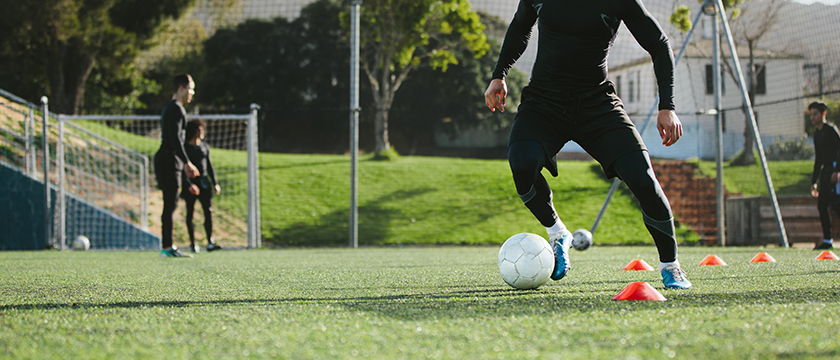
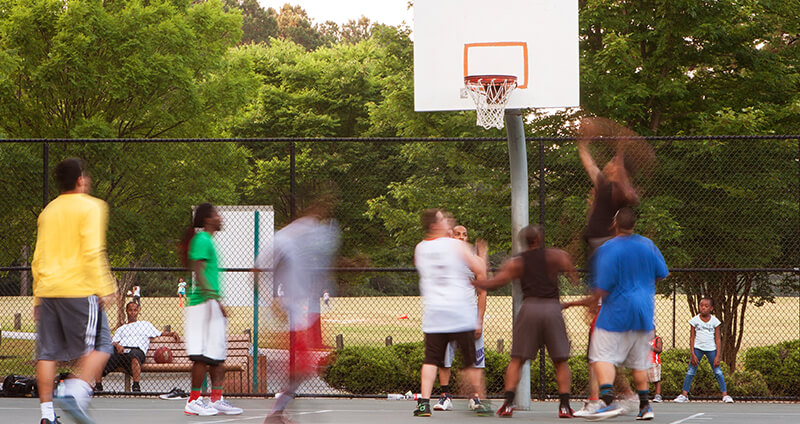
Sprains and tears of the knee ligaments are frequent occurrences in the world of sports, particularly for those involved in high-impact activities like basketball, soccer, or football.
Typically, these injuries result from sudden movements that strain the ligaments or from an external force pushing the knee inward or outward.
Depending on the impact, a patient may experience anything from a minor sprain to a total rupture, leading to instability, swelling, and pain. However, with the right medical intervention, most individuals can restore their knee stability and full range of motion.
What Are Knee Ligaments?
The knee serves as a sophisticated joint composed of the patella, tibia, and femur. To ensure that joint remains stable, these bones are held together by a network of ligaments.
There are four primary ligaments in the knee: the medial collateral ligament (MCL) and lateral collateral ligament (LCL), which provide side-to-side support, as well as the anterior cruciate ligament (ACL) and posterior cruciate ligament (PCL), which maintain front-to-back and rotational stability.
While direct impacts to the knee often damage the collateral ligaments, twists or sudden stops are more likely to cause cruciate ligament injuries. Additionally, the fibula contributes to the overall bony architecture alongside the other three bones.
What are the Types of Knee Ligament Injuries?
Orthopedic professionals typically categorize ligament damage based on its severity:
- Grade 1: Minor stretching of the ligament; however, the knee remains stable.
- Grade 2: A partial tear resulting in a loose but not fully ruptured ligament.
- Grade 3: A complete rupture where the ligament is either entirely torn or detached from the bone, causing significant instability.
MCL injuries are more frequent than those involving the PCL or LCL; however, LCL damage is rarer and often occurs alongside other knee structural issues.
What are the Symptoms of a Knee Ligament Injury?
Common indicators that you may have suffered a knee ligament injury include:
- Pain located on the outer or inner side of the joint.
- Localized swelling around the area of impact.
- A sensation that the knee is unstable or may “give out.”
Additional symptoms might involve bruising, tenderness, and challenges when walking.
How is a Knee Ligament Injury Treated?
The approach to treatment varies based on which ligament was damaged and the extent of the tear.
Nonsurgical Treatment
Many isolated injuries to the collateral ligaments can be managed without surgery. Patients are encouraged to avoid activities that hinder recovery, prioritize rest, and apply ice for 15–20 minute intervals. Physical therapy and bracing are also highly effective tools for stabilizing the knee during the healing process.
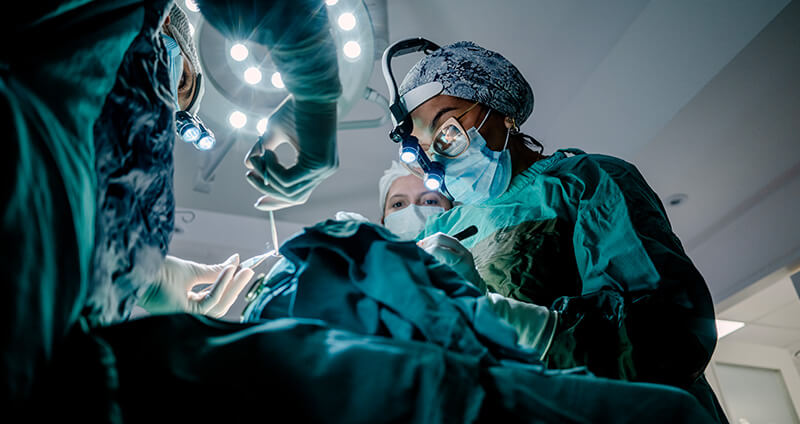
Surgery for Knee Ligament Injuries
Surgical intervention is typically considered when:
- The ligament has suffered a total rupture and cannot heal on its own.
- Multiple ligaments have been injured simultaneously.
- The ligament has detached from the bone (avulsion).
Surgical techniques differ depending on the specific ligament involved and the severity of the damage. Your orthopedic surgeon will determine the most effective approach for your specific condition.
What Does Recovery and Return to Sports Typically Look Like?
The timeline for recovery is determined by the specific treatment plan and the severity of the tear. Your care team will guide you through a functional progression, allowing you to return to athletic activities gradually—typically starting with light jogging before advancing to full-intensity sports. To prevent future injuries, your doctor may suggest wearing knee braces during physical activity.
With diligent care and rehabilitation, most patients successfully return to their previous levels of activity and regain full function.
Expert Care for Knee Ligament Injuries in Illinois
If you are struggling with a knee injury and need relief, Fox Valley Orthopedics is here to help. Our goal is to ensure every patient feels supported, safe, and confident throughout their recovery process. Through personalized management, we can help you minimize pain and regain your quality of life.
Call today to make your appointment: (855) FVORTHO | (855) 386-7846.
Knee Ligament Injury Specialists
-
 Joshua M. Alpert, MD, FAAOSKnee, Shoulder, Sports Medicine
 -
 Kenneth S. Chakour, MD, FAAOS, FAAHKSHip & Knee Replacement
 -
 Robert F. Matlock, MD, FAAOSSports Medicine, Knee, Shoulder
 -
 Vishal M. Mehta, MD, FAAOSSports Medicine, Knee, Shoulder
 -
 Nicholas R. Pagani, MDHip & Knee Replacement
 -
 Timothy S. Petsche, MD, FAAOSSports Medicine
 -
 James R. Seeds, MD, FAAOSSports Medicine