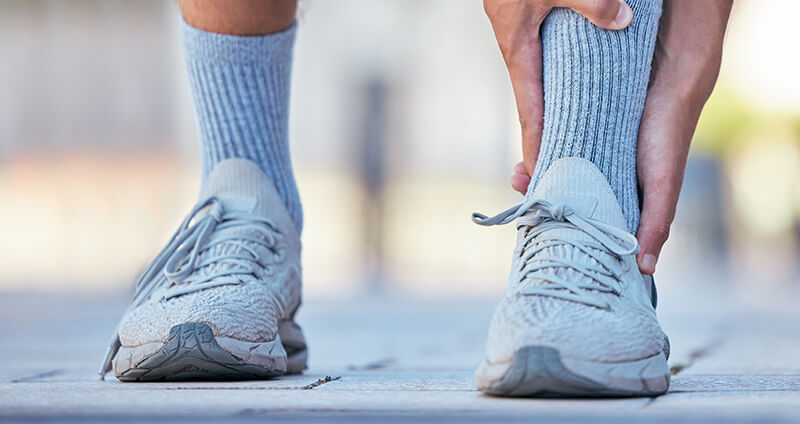
Flat Feet

What Are Flat Feet?
Flat feet, medically known as pes planus, occur when the arches of one or both feet are unusually low or completely flat. This condition may be present from birth or can develop during adulthood. Because the arch is essential for absorbing shock and distributing body weight evenly, having flat feet can alter your gait and potentially lead to secondary pain in the ankles, knees, and lower back.
While many individuals with flat feet experience no discomfort and lead active lives, others may deal with instability, structural deformities, or chronic pain.
What Causes Flat Feet?
The causes of flat feet are generally categorized as either congenital (present at birth) or acquired (developed over time).
Congenital Causes of Flat Feet
- Genetic predispositions that affect how the foot arch forms.
- Underlying medical conditions or syndromes, including Marfan syndrome, Ehlers-Danlos syndrome, Down syndrome, cerebral palsy, or general joint hypermobility.
- Developmental birth defects, such as tarsal coalition or clubfoot.
Acquired Causes of Flat Feet
- Posterior Tibial Tendon Dysfunction (PTTD): This is the most frequent cause of adult flat feet and occurs when the tendon supporting the arch on the inner side of the foot becomes torn or inflamed.
- Physical trauma or acute injuries to the foot.
- The development of arthritis in the foot joints.
- Nerve damage associated with diabetes, leading to Charcot foot.
- Obesity or other health factors that place excessive pressure on the foot’s structure.
What are Flat Feet Symptoms?
It is common for people with flat feet to be asymptomatic. However, when symptoms do arise, they typically include:
- Discomfort and pain along the inner edge of the foot and ankle.
- Pain that intensifies during or after physical activity.
- Tenderness on the outer side of the ankle.
- The appearance of bony protrusions or swelling on the top or bottom of the foot.
- Referred pain in the hips, knees, lower back, or shins due to changes in how you walk.
- Related foot issues, such as hammer toes, bunions, or joint arthritis.
What are Types of Flat Feet?
Orthopedic specialists typically categorize flat feet based on their cause and whether the foot remains flexible:
- Flexible Flat Foot: The most common variety; an arch is visible when the patient is sitting or lying down but disappears when they stand up.
- Rigid Flat Foot: The foot lacks an arch regardless of whether the patient is standing or sitting, and the foot is generally difficult to move.
- Congenital Flat Foot: A condition present from birth resulting from developmental issues or genetics.
- Acquired Flat Foot (Fallen Arches): A condition that develops later in life, often triggered by chronic illness, injury, or tendon failure.
How Are Flat Feet Treated?
Not every case of flat feet requires medical intervention. If the condition is mild and does not cause pain, it may simply be monitored without treatment.
For those experiencing discomfort, treatment usually begins with conservative, non-surgical options. These may include:
- Custom or over-the-counter orthotic shoe inserts to provide better support.
- Targeted physical therapy and strengthening exercises.
- Non-prescription pain relief medications.
If conservative measures fail to improve the patient’s quality of life or meet their functional goals, surgical options may be explored. The type of procedure depends on the individual’s specific anatomy and may involve reconstructing tendons or correcting bone alignment.
Can You Prevent Flat Feet?
Because genetics play a significant role in foot structure, flat feet cannot always be prevented. However, you can reduce the risk of pain and secondary complications by: – Maintaining a healthy weight to lower the stress on your arches. – Choosing supportive footwear that aligns with your foot type. – Engaging in regular foot and ankle strengthening exercises.
Flat Feet Pain Treatment at Fox Valley Orthopedics
Are you seeking relief from flat feet pain in Illinois? At Fox Valley Orthopedics, our goal is to ensure every patient feels supported and confident throughout their recovery journey. By creating a personalized management plan, we can help you minimize pain and return to the activities you love.
Call today to make your appointment: (855) FVORTHO | (855) 386-7846.
Flat Feet Specialists
-
 Brett A. Albert, DPM, MHA, FACFASFoot & Ankle
 -
 Eric K. Bartel, MD, FAAOSFoot & Ankle
 -
 Joanna M. Chura, DPMFoot & Ankle
 -
 Gary M. Kazmer, DPMFoot & Ankle