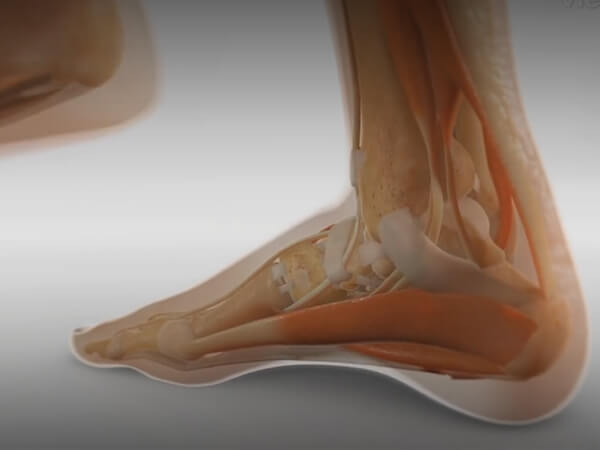
Heel Pain

What Is Heel Pain?
Pain in the heel is one of the most frequent reasons patients seek care for foot and ankle issues. This discomfort typically manifests in two areas: beneath the heel (the plantar side) or at the back of the heel (the posterior side). It is important to address these symptoms early, as untreated heel pain often intensifies and can become a long-term, chronic problem.
While our feet are designed to support our entire body weight, repetitive stress or excessive pressure can overwhelm the supporting tissues. Heel pain generally occurs when the structures surrounding the heel bone become irritated, injured, or inflamed.
What Causes Heel Pain?
The source of your discomfort usually depends on whether the pain is located on the bottom or the back of the heel.
Pain Under the Heel
- Fat Pad Bruising: Stepping on a hard object can cause trauma and bruising to the protective fat pad located under the heel.
- Plantar Fasciitis: This occurs when the fascia tissue becomes strained or scarred due to a lack of proper support or repetitive stress.
- Heel Spurs: These are calcium deposits that may develop as a result of long-term plantar fasciitis.
- Calcaneus Fractures: Severe trauma or consistent high-impact stress can lead to a break in the heel bone (calcaneus).
- Nerve Entrapment: Swelling caused by repetitive impact can compress the nerves running under the heel, leading to pain or tingling.
- Acute Trauma: Extreme events, such as motor vehicle accidents, can result in significant heel fractures.
- Haglund’s Deformity: A bony enlargement on the back of the heel that often causes irritation when rubbing against the back of a shoe.
Pain Behind the Heel
- Achilles Insertion Inflammation: Irritation where the Achilles tendon attaches to the bone, frequently caused by footwear friction or repetitive overuse.
- Tendon Degeneration: The thickening and breakdown of the Achilles tendon at the point where it connects to the heel bone.
Continuing to put pressure on a painful heel through daily activities can exacerbate these symptoms and lead to further complications.
How Is Heel Pain Treated?
The majority of patients experiencing heel pain find relief through non-surgical interventions. Depending on the diagnosis, treatment plans may include a combination of the following:
- Targeted rest
- Ice therapy to reduce inflammation
- Specialized stretching and strengthening exercises
- Anti-inflammatory medications
- Adjustments to footwear or the use of orthotics
- Physical therapy
Note: Managing chronic heel pain often requires a commitment to treatment over several months. Your healthcare provider will recommend a customized combination of these strategies based on your specific condition.
Treat Heel Pain at Fox Valley Orthopedics
Are you seeking relief from heel pain in Illinois? At Fox Valley Orthopedics, we are dedicated to ensuring our patients feel heard, supported, and confident in their recovery journey. By implementing a proper management plan, we can help you lower your pain levels and return to an active quality of life.
Call today to make your appointment: (855) FVORTHO | (855) 386-7846.
Heel Pain Specialists
-
 Brett A. Albert, DPM, MHA, FACFASFoot & Ankle
 -
 Joanna M. Chura, DPMFoot & Ankle